FILM / PROCESS / CASE STUDY
Hadrian and Antinous
A marble portrait became the starting point for a moving image study of Hadrian and Antinous. The work connects historical reference, interpretive image development and the practical craft of finishing a film.
A 4K master is available. Watch the finished teaser below.
Start with an accountable reference
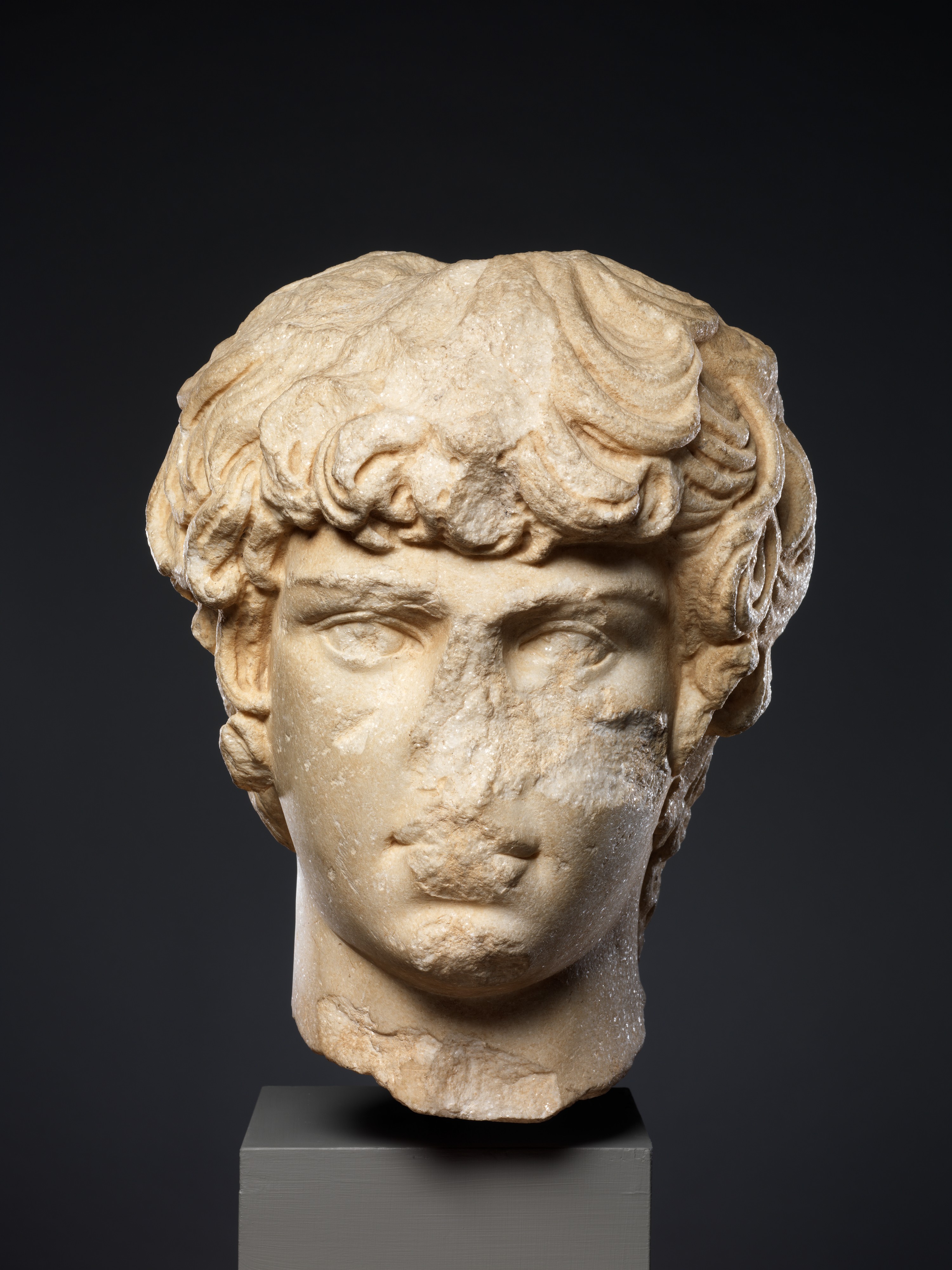
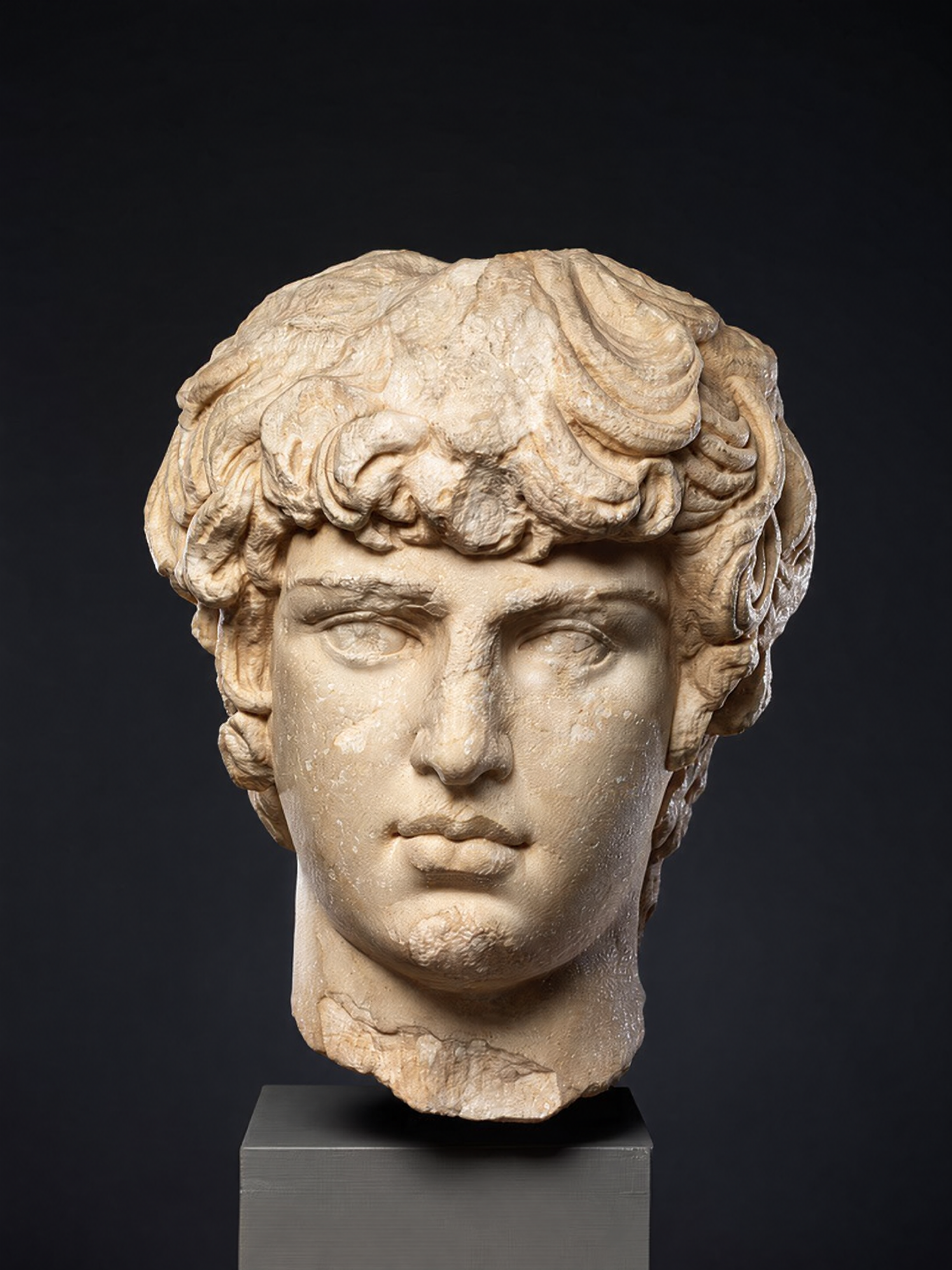
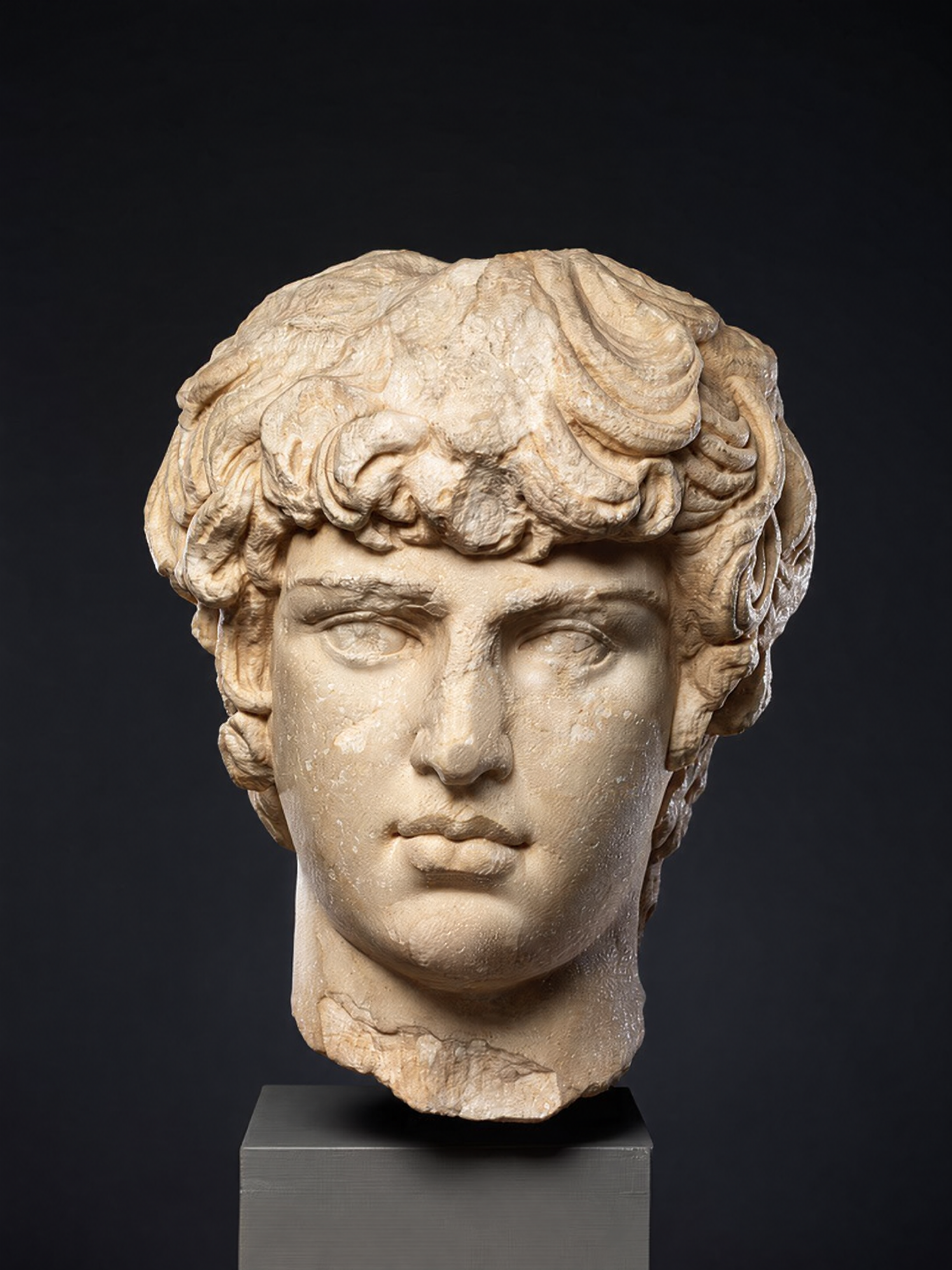
The original reference is the Metropolitan Museum of Art’s Marble portrait head of Antinoos, accession 2010.453. The Met dates the Roman marble to approximately 130 to 138 CE and identifies its image as public domain. Lee describes beginning with five photographs of this single marble portrait. That source anchors the development. It does not establish the historical accuracy of the invented body, costume, setting or action.
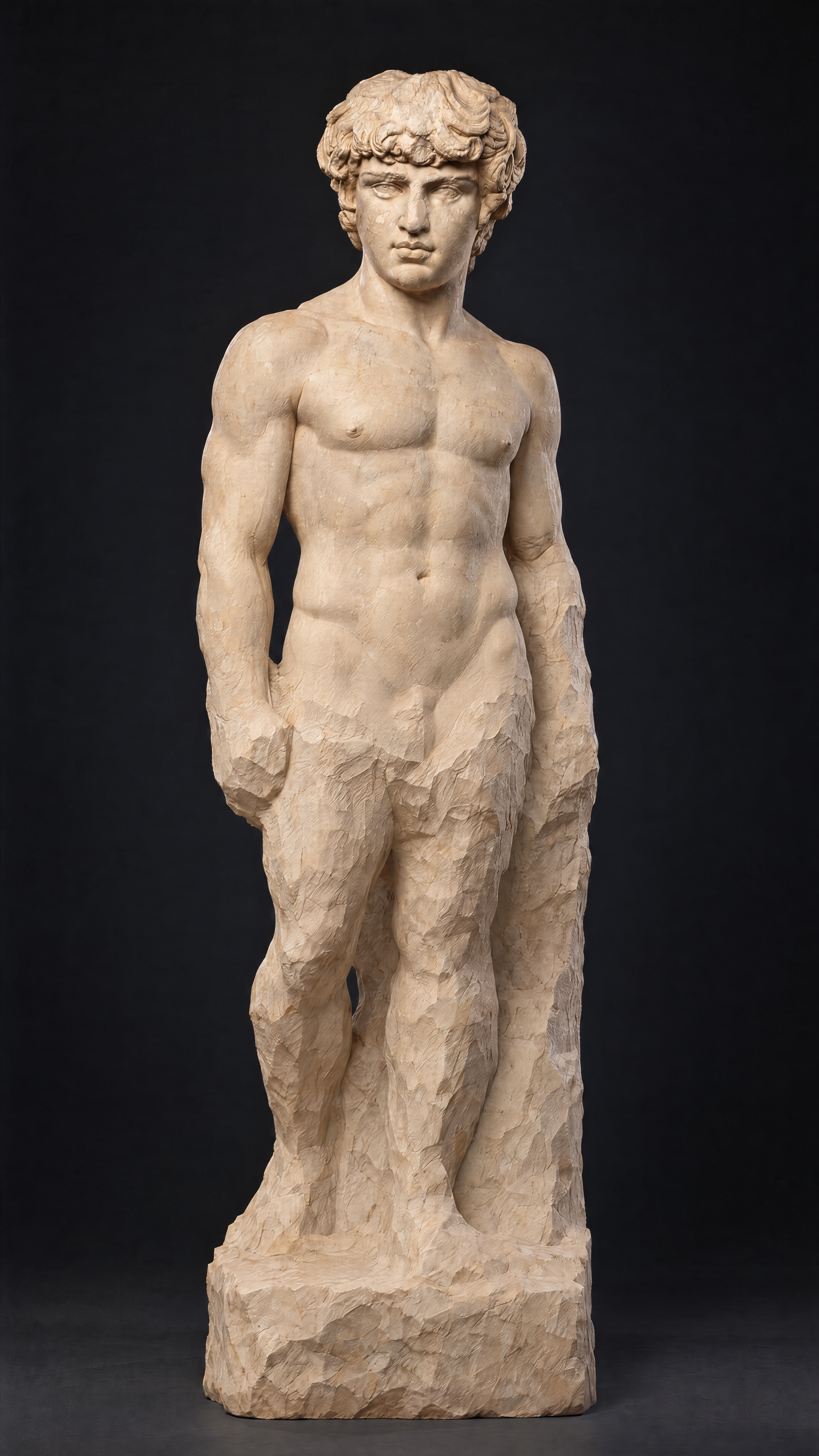
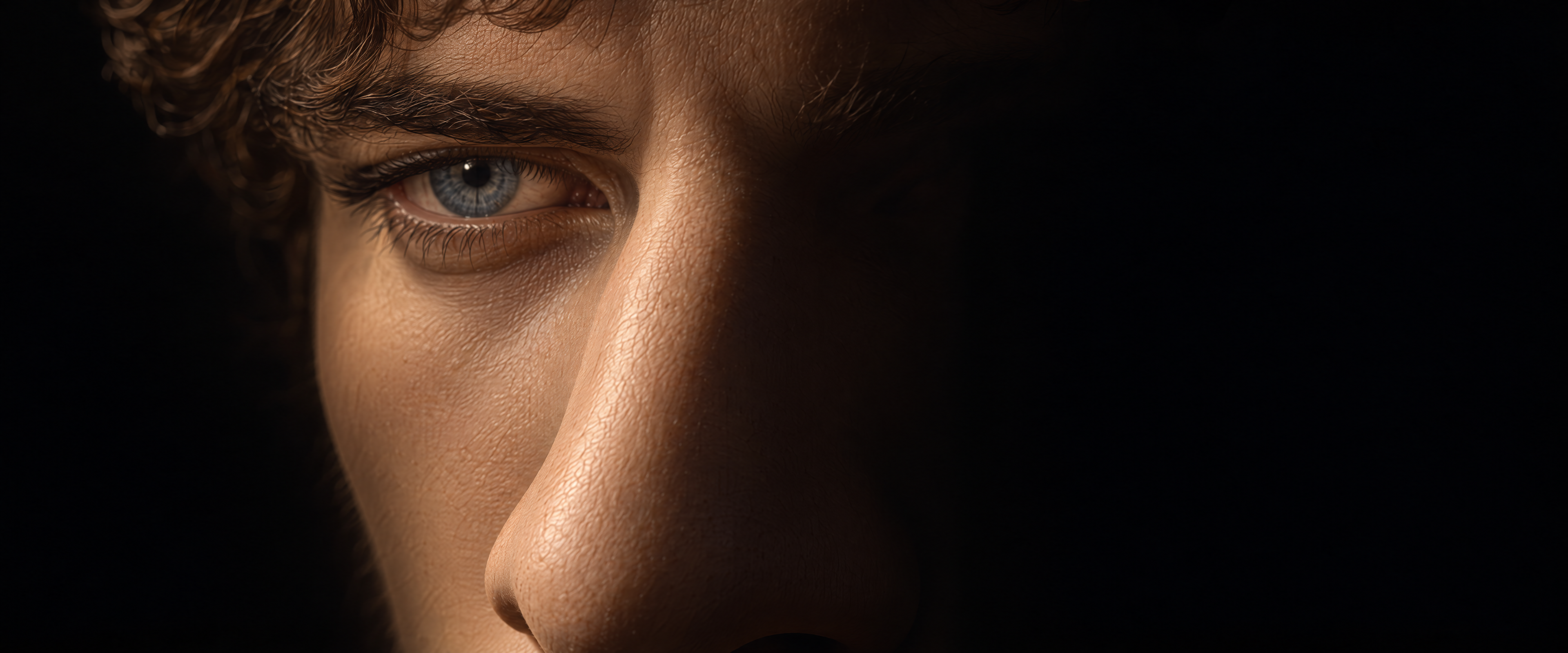
The following five images are authentic retained stages from the project. The museum photograph and the interpretive development are labelled separately so that a viewer can follow what was sourced and what was made.
Develop the image into a film
The development moves from portrait to figure and scene. Those are different production problems: a face needs a coherent identity, a figure needs plausible relationships between anatomy and costume, and a scene needs composition, light and space that can support action.
Image development was iterative. Retained native correction stages make that process visible rather than presenting the first generated image as a finished result. The scene studies are development material. Two harbour shots were subsequently regenerated before editorial, colour and sound finishing. The film above is the delivered version.
Lee reports that the initial development took three days. That describes this project’s initial development, not a promised production schedule. Subsequent review, corrections and finishing remain part of the work.
Editorial, colour and sound complete the idea
The teaser was assembled and finished through native DaVinci Resolve and Fusion editorial. Picture development had to work within a specific sequence, rather than as a collection of attractive isolated images. Colour, music, environmental sound and footsteps were considered with the cut.
Review led to versioned changes. The final delivery includes a ProRes 422 HQ production master and an H.264 playback copy of the same graded 56.5 second cut. Keeping a production master separate from the viewing copy gives the next stage of post production a suitable source while making review practical.
What this offers a production
A teaser can let a producer or director evaluate an interpretation before committing to a larger production. A reference, character study and scene can be carried into a timed film where atmosphere, pacing and sound can be judged together.
The useful deliverable is an examinable piece of work: the reference is identified, the development stages are visible, the revisions have a history and the finished film has a defined version. This is an interpretive teaser, not a claim of historical reconstruction, cinema certification or an autonomous filmmaking system.
Read the writing table scene study and watch the complete original interaction
Discuss a reference led teaser
For a teaser, visual development sequence or pitch film, bring the source material, intended audience, proposed duration and the decisions the film needs to help you make. Contact Visual Movement through the existing enquiry route.