Galápagos: from location footage to a documentary edit
You come back with camera cards, phone clips and conversations recorded along the way. The material is there. The film still needs to be found.
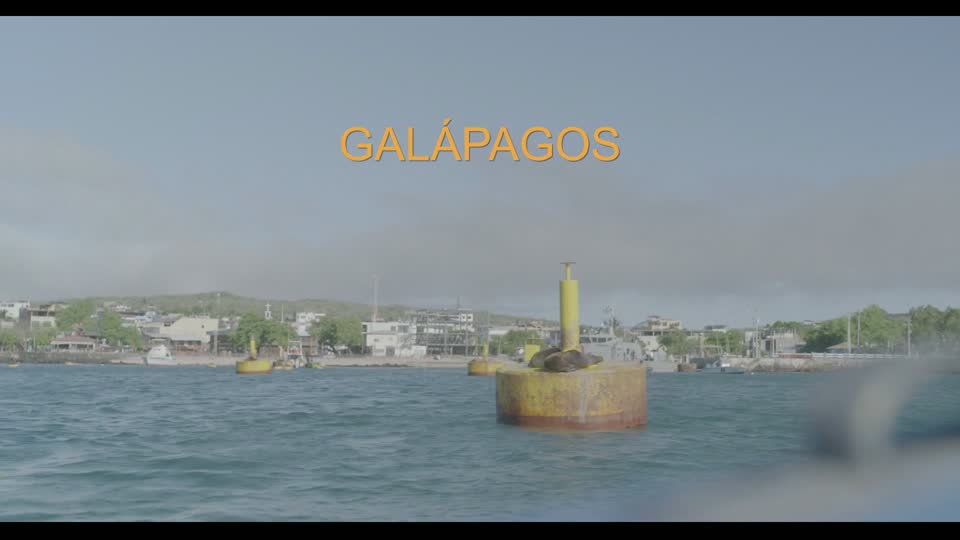
Visual Movement’s Galápagos project shows the work between those two points: organising sources, finding useful speech, shaping a picture sequence and making an edit available for review. The current review film runs for almost 22 minutes. Behind it sit source catalogue entries, clip linked transcript records, assembly exports and notes against specific moments in earlier versions.
Start with the material
A documentary edit begins with knowing what you have. In this project, the catalogue distinguishes camera footage, phone recordings and review renders. It keeps source filenames and locations beside the media records.
The indexing tools support file identity checks, technical measurements and preview images. For the current review film, a fresh file check matches the recorded review hash. That gives the review copy a precise identity, so feedback refers to an identifiable version.
For a client, this is practical work. Establish the available footage, organise it for the edit and keep track of the copies that are ready to view.
Find the words, then build the sequence
The Galápagos story records store transcript text with a source clip, a language label and the method used to obtain it. Those records make recorded speech available to the editorial process without treating a rough transcript as a finished script.
An early assembly export adds another layer: each picture entry records its programme position, source clip, source starting point and duration. That is the working connection between a piece of footage and its place in an edit.
The current edition’s production record distinguishes recorded guide and traveller contributions from generated narration. It documents an authored finish over an existing picture sequence. Generated narration is part of that edition’s production history; it is not presented here as a voice recorded on location.
Give the picture time
The short picture study below begins with a close view of an animal’s head, moves to a wider view of an animal on a rock and then cuts to several heads together. The changing frame size gives each image a different job. Detail draws attention. The wider view gives the subject space. The next close view brings the eye back.
This is a 24 second extract of the existing edit, shown without sound to focus on picture pacing. It demonstrates the sequence of shots and their holds. It does not demonstrate a new edit, a scientific explanation or a verified dialogue match.
Make feedback specific
Review needs a place to land. The Galápagos review records attach notes to a cut version and a programme time. One note asks for a shot to hold longer for the dialogue. Another asks for a repeated sunset shot to be replaced. These are concrete editorial instructions, tied to moments an editor can revisit.
That is the useful shape of a review round: an identifiable export, specific observations and a clear next decision.
Commission the next film
Bring Visual Movement your footage, interviews and the audience you want to reach. Enquire about a documentary edit with source organisation, transcript preparation, picture assembly and private review exports. Narration, sound work and delivery requirements belong in the agreed scope.
Tell Lee what you have filmed, what you want the audience to understand and where the finished film will be shown.
Enquire about a documentary edit
Source note: selected material from the existing Galápagos review edit and its production records. The picture study is a silent viewing copy. It is not an original camera clip.